Pi Pie Applique Review: A Designer's Real-World Test
As a professional designer who spends countless hours testing machine embroidery designs before recommending them to clients or using them in my own craft business, I approach every new file with a mix of excitement and skepticism. Today, I am evaluating the Pi Pie Applique design. On paper, it sounds like a whimsical treat for math enthusiasts, but does it hold up when transferred from a digital screen to actual fabric? After running this applique design through various test swatches and imagining its application on real products, here is my honest assessment.
The First Impression: Whimsy Meets Precision
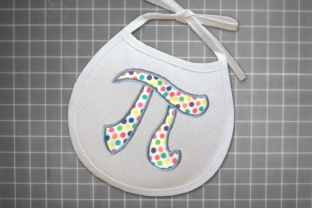
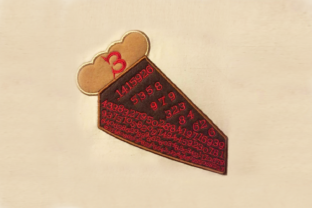
When you first open the zip file containing the Pi Pie Applique, the immediate mood is playful yet structured. The concept of combining a classic slice of pie with the mathematical digits of Pi creates a clever visual pun that resonates well with students, teachers, and hobbyists alike. For an embroidery project centered around the Back To School season, this design hits the right note without feeling forced.
The layout features a distinct slice shape topped with the sequence of numbers. As an applique, the design relies heavily on how the base fabric interacts with the top layers. The visual personality suggests a project that belongs in educational settings, cozy home decor, or as a fun accent on custom apparel. It feels less like a generic clip-art image and more like a piece of art designed specifically for stitching, offering a unique character that can elevate a simple tote bag or a nursery pillow cover.
Real-World Application: From Concept to Finished Product
To truly understand the value of this design, I put myself in the shoes of a small shop owner preparing for a busy season. Imagine you are creating a line of custom apparel for a local math club or a boutique selling personalized gifts for Pi Day. The Pi Pie Applique fits naturally into these scenarios.
Picture a sturdy canvas tote bag design intended for a teacher's gift. The applique technique allows for a textured contrast between the pie crust and the filling, which adds depth that standard satin stitch often lacks. If you were to place this on a sweatshirt, the size variations included in the package would allow you to scale the design perfectly for a chest pocket or a large back print. For a baby item, such as a onesie or a blanket, the rounded edges of the pie slice are generally safe, provided the hoop size is appropriate to avoid distortion.
I also considered its potential as an embroidered patch. The defined outline makes it a strong candidate for iron-on applications, adding a professional touch to denim jackets or backpacks. In a commercial setting, this design offers high recognition value; customers immediately grasp the theme, which enhances buyer engagement and perceived value. It transforms a basic garment into a statement piece that tells a story about mathematics and food culture.
Where Caution is Required: Technical Limitations
While the design is charming, no single file is perfect for every situation. There are specific contexts where the Pi Pie Applique requires careful handling or might not be the best choice. One primary concern is the hoop size. While the file includes four sizes, using the smallest setting on a very fine fabric could result in puckering if the stabilizer isn't chosen correctly.
If you are working with stretchy fabric like jersey knit, you must ensure you use a heavy-duty stabilizer to support the weight of the applique pieces. Similarly, on dark fabric, the thread colors used for the pie filling need to be vibrant enough to stand out against the background. Without proper contrast, the digits of Pi might get lost, reducing the clarity of the finished product.
Curved surfaces, such as baseball caps, present another challenge. While possible, the flat nature of a pie slice might not follow the curvature of a cap seamlessly unless the design is specifically digitized for curved surfaces. Additionally, areas with dense stitch density require attention. If the fill stitches are too tight, they can cause the fabric to pucker or distort the shape of the slice. For products that need frequent washing, like kitchen towels or aprons, the stability of the applique edges is crucial to prevent fraying over time.
Visual Appeal and Brand Consistency
In the world of handmade goods, presentation is everything. The Pi Pie Applique contributes significantly to brand consistency if your shop focuses on quirky, intellectual, or culinary themes. The clean lines and clear separation of elements suggest a high level of professionalism. When a customer sees a neatly executed applique on a digital product preview or a physical mockup, it builds trust.
The design affects the overall aesthetic by introducing a focal point that draws the eye. Unlike a simple text-based design, the applique adds dimension. This can justify a higher price point for your Etsy seller listings or boutique items because the labor involved in applique is visible and appreciated. However, if the execution is sloppy due to poor machine calibration, the effect can be the opposite, making the product look cheap rather than artisanal.
Practical Notes for Designers and Makers
Before you commit this design to a client order or a mass production run, there are several steps every experienced maker should take. First and foremost, always test the design on scrap fabric that matches your final material. This allows you to check the thread color contrast and ensure the applique layers sit flat without gaps.
Review the stitch density carefully. If the fill stitches are too thick, consider adjusting the tension or changing the stabilizer type. Confirm the hoop size required for your specific machine and verify that the design dimensions fit your intended product area. Inspect the small details, particularly the digits of Pi, to ensure they remain legible after stitching.
It is also wise to test the design in black and white mockups to see how the shapes read without the distraction of color. Compare light and dark fabric backgrounds to determine the best thread palette. Use a proper stabilizer that matches the weight of your fabric; for instance, a tear-away might work for a stable cotton tote, while a cut-away is better for a stretchy sweatshirt.
Finally, double-check the licensing terms. Even though the file is a digital embroidery file, the rights to sell finished items made from it vary by creator. Ensure you have the permission to use the design assets for commercial purposes before listing your small shop product on marketplaces. By following these practical steps, you can maximize the potential of the Pi Pie Applique and deliver a high-quality handmade product that your customers will love.