Math Pi Symbol Applique: A Designer's Real-World Review
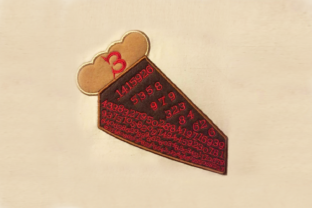
When I first opened the file for the Math Pi Symbol Applique, my initial reaction wasn't about stitch counts or hoop sizes. It was about the vibe. There is something undeniably charming about a bubble-letter style pi symbol that feels less like a rigid academic diagram and more like a playful character. In the world of machine embroidery, finding a design that balances geometric precision with a soft, approachable aesthetic can be tricky. This applique design hits that sweet spot immediately, creating a mood that is both intellectual and whimsical.
As someone who has spent years turning digital files into tangible handmade products, I know that a design's success often comes down to its versatility in real-life scenarios. Is it just another clipart file, or does it have the structural integrity to hold up on a garment that will be worn, washed, and loved? Let's walk through how this specific embroidery project performs when moved from the screen to the hoop.
The First Stitch: Visual Personality and Appeal
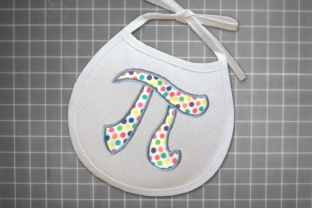
The visual personality of the Math Pi Symbol Applique is its strongest asset. The bubble-letter style softens the sharp angles typically associated with mathematical symbols, making it perfect for audiences ranging from toddlers learning their shapes to adults who appreciate geek-chic fashion. When you look at the layout, the separation of steps by color changes is evident, which suggests a thoughtful digitization process.
In terms of visual appeal, the applique technique adds a layer of dimensionality that standard satin stitches simply cannot achieve. By layering fabric over the base shape, the final finished product gains a tactile quality that elevates the perceived value. For an Etsy seller or a boutique owner, this distinction is crucial. Customers are willing to pay a premium for items that feel substantial and professionally crafted. The "cute as pie" description isn't just marketing fluff; the rounded forms genuinely invite touch and interaction, making it an excellent choice for personalized gifts.
Real-World Application: From Concept to Customer
To truly test the potential of this embroidery file, let's imagine a practical scenario. You are preparing for the back-to-school season, a time when parents and teachers are constantly looking for unique, thematic gear. You decide to create a line of custom tote bags and aprons featuring the Math Pi Symbol Applique.
Imagine stitching this onto a canvas tote bag for a middle school math teacher. The applique method allows you to use a contrasting fabric for the pi symbol—perhaps a bright yellow cotton against a navy blue bag. This creates a high-contrast focal point that stands out even when the bag is crumpled in a backpack. Unlike a dense fill stitch that might make the fabric stiff, the applique maintains the drape of the tote, ensuring it remains functional. The result is a custom apparel item that looks professional and thoughtful, instantly signaling that the recipient is part of a specific community.
Now, shift the context to baby clothes. The same design, scaled down slightly and stitched with soft pastel threads, transforms into a delightful accent for a onesie or a nursery pillow cover. The rounded edges of the bubble letters are safe for a child's skin and visually soothing. In this setting, the design acts as a conversation starter for new parents who want to inject a bit of personality into their baby's wardrobe without resorting to generic patterns. It fits perfectly into the Back To School category but extends its utility well beyond the classroom, serving as a year-round favorite for holiday embroidery or birthday gifts.
Technical Performance and Fabric Considerations
While the aesthetic is strong, a designer must always consider the technical execution. How does this machine embroidery design behave on different surfaces? The inclusion of four hoop sizes is a significant advantage, allowing you to adapt the design for everything from a small cap patch to a large sweatshirt chest logo.
However, not all fabrics are created equal. The Math Pi Symbol Applique relies on clean lines and defined edges. On textured fabrics like heavy bouclé or loosely woven linens, the stability of the applique edge could be compromised if the stabilizer isn't chosen correctly. For best results, you should pair this design with medium-weight fabrics such as denim, twill, or stable knits. If you attempt this on thin, stretchy jersey without proper backing, the tension might cause the fabric to pucker, ruining the crisp look of the bubble letters.
Dark fabrics present another challenge. While the applique technique offers great coverage, the thread colors used for the tack-down stitches need to be carefully selected to blend seamlessly or provide intentional contrast. If you are using a dark background, ensure your top fabric is opaque enough to hide the underlying material. Testing the design on scrap fabric first is non-negotiable here. You need to verify that the stitch density holds the layers together securely without causing the needle to skip or break.
Navigating Limitations and Best Practices
No single design is a magic bullet, and the Math Pi Symbol Applique is no exception. There are specific situations where caution is required. Small hoop sizes, while included in the package, may limit the complexity of the applique if the piece requires multiple fabric cuts. If the design includes tiny lettering or intricate decorative accents alongside the main symbol, those details might get lost on curved surfaces like caps or hats unless you use a specialized hat hoop and precise positioning.
Dense stitch areas can also be problematic on garments that require frequent washing. If the applique is too tightly packed, the fabric underneath may become brittle over time. To maintain the longevity of your commercial embroidery projects, always inspect the small details before sending them to production. Check whether the design works for both personal and commercial projects by reviewing the license terms provided with the download.
For those selling finished items, consistency is key. The Math Pi Symbol Applique helps build brand consistency because of its distinct, recognizable shape. Whether it appears on a kitchen towel, a pillow cover, or a tea towel, the design maintains its identity. This reliability fosters customer trust. Buyers know what they are getting, and the professional finish reassures them of the quality of your work.
Final Thoughts for the Creative Entrepreneur
In conclusion, the Math Pi Symbol Applique is more than just a cute graphic; it is a versatile tool for any creative entrepreneur looking to expand their product line. Its ability to bridge the gap between educational themes and modern design makes it a standout asset for craft business owners. Whether you are creating digital product previews for your shop or stitching up a batch of small shop products for a craft fair, this design delivers on both form and function.
Remember to review the 9 formats included in the zip file to ensure compatibility with your specific machine. Confirm that the steps are separated correctly to avoid color sorting errors during the production run. By taking the time to understand the nuances of the embroidery project before you start stitching, you ensure that every handmade product leaving your studio meets the highest standards of quality. With the right setup and attention to detail, the Math Pi Symbol Applique can become a signature element in your collection, delighting customers and elevating your brand.