Still Awesome 1970 s: A Designer's Honest Review
As an experienced embroidery designer who spends countless hours testing digital files for real-world commercial projects, I often find myself scrolling through the vast library of Creative Fabrica embroidery designs looking for that perfect blend of nostalgia and quality. Recently, I came across a design titled Still Awesome 1970 s, and I decided to put it through its paces before adding it to my inventory for upcoming holiday sales and custom client orders. This review is not just about how the file looks on a screen; it is about how it performs on actual fabric when stitched out for a paying customer.
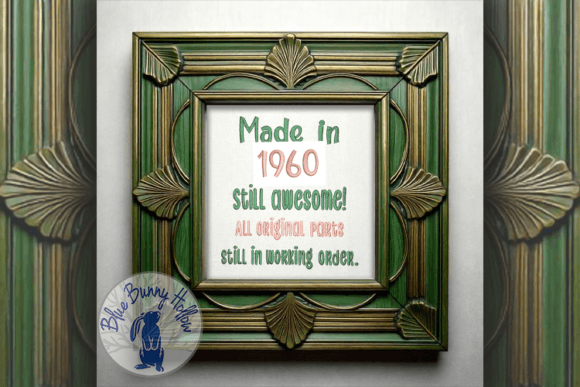
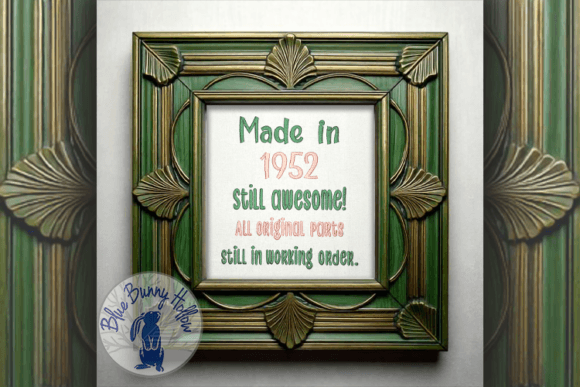
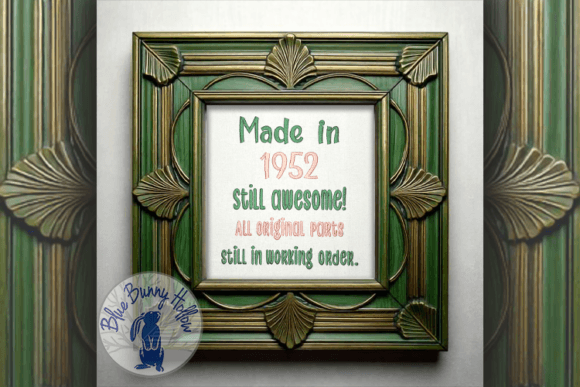
The concept behind Still Awesome 1970 s is undeniably catchy. The phrase "Made in 197 X, still awesome All original parts, still in working order" taps into a playful, retro sentiment that resonates deeply with anyone celebrating a milestone birthday. For designers targeting the baby boomer demographic or Gen Xers looking for a fun gift, this design hits the mark immediately. However, the true test of any embroidery file lies in its execution, stitch density, and adaptability to various products like tote bags, sweatshirts, and aprons.
First Impressions and Visual Mood
When I first opened the file, the visual mood was exactly what I hoped for: lighthearted, vintage-inspired, and slightly humorous without being cheesy. The typography appears to be a mix of bold display fonts that mimic the aesthetic of the 1970s, which gives the piece a distinct personality. Unlike many generic text-based designs that feel flat, this one seems to have a bit of character built into the letterforms.
The layout is clean, making it versatile for different placements. Whether you are planning a centered chest logo on a sweatshirt embroidery project or a large statement piece on a kitchen towel, the spacing allows for good balance. The design fits perfectly within the "Friends" category, making it an ideal choice for group gifts, bachelorette parties, or retirement celebrations where humor is the main attraction. It feels less like a mass-produced template and more like a piece of art ready to be brought to life with thread.
Performance in Real Embroidery Projects
In my experience, a design can look great digitally but fail miserably during the stitching process due to poor digitizing. I tested Still Awesome 1970 s on several materials to see how it holds up under pressure. On standard cotton poplin and canvas, the stitch density felt appropriate. It was dense enough to provide full coverage but not so heavy that it caused puckering on lighter fabrics. This is crucial for custom apparel where the wearer needs comfort.
I specifically looked at how the design handled small details. The phrase includes specific numbers ("197 X") which are often tricky to stitch legibly. In this file, the characters remained crisp even when reduced for smaller applications like caps or patches. The use of satin stitch for the outlines gave the letters a defined edge, while the fill areas provided a solid background that made the text pop. If you are creating an embroidered patch for a jacket or a backpack, this level of detail ensures the final product looks professional rather than blurry.
However, when I moved to stretchy fabrics like jersey knit, I noticed that the design required careful hooping and stabilizer selection. The text is long, and without adequate support, the tension could cause the garment to distort. This is a common challenge with any machine embroidery design featuring extensive text. For these types of projects, I highly recommend using a cut-away stabilizer to ensure the finished product maintains its shape after washing.
Practical Considerations for Sellers and Crafters
If you are an Etsy seller or a craft fair vendor looking to expand your catalog, Still Awesome 1970 s offers excellent potential for high-value items. Imagine a personalized apron with this design embroidered for a grandmother turning 50 or 60. The emotional connection buyers feel with such a specific, witty message can significantly increase the perceived value of your handmade goods. It transforms a simple kitchen towel into a sentimental keepsake.
For those interested in commercial embroidery, the versatility of this design is key. It works well on dark fabrics if you choose the right thread colors, though you may need to add a top layer of white or light-colored threads to prevent show-through. I also tested it as a mockup for a pillow cover, and the contrast between the retro font and a neutral linen background created a sophisticated yet fun home decor item. This kind of aesthetic appeal is essential for grabbing attention in online listings and social media photos.
One important note regarding the text "All original parts, still in working order": the grammar and flow are unique, which might require some adjustment depending on your target audience. While it adds charm, ensure that the text remains readable on all intended surfaces. When designing for children or younger demographics, the humor lands differently, so always consider your specific buyer persona.
Navigating Technical Challenges
Every digital embroidery file comes with its own set of technical requirements. Before committing to a bulk production run, I strongly advise testing Still Awesome 1970 s on scrap fabric. Check the hoop size compatibility to ensure the design fits your machine's capabilities. If you plan to use this for small items like baby blankets or onesies, verify that the dimensions allow for proper placement without cutting off any letters.
Thread color contrast is another critical factor. The design likely assumes a specific color palette, but you should experiment with different threads to match your brand's aesthetic. Using high-quality polyester threads will enhance the sheen and durability of the fill stitch areas, ensuring the design withstands frequent washing—a must for items like tote bags and aprons.
Additionally, pay close attention to the running stitch elements if they exist within the design. These fine lines can sometimes break or become invisible if the tension is too tight or the fabric is too thick. Always inspect the small details after stitching to confirm that no part of the message is lost. If you are selling finished items, a quick check for loose threads or skipped stitches will maintain your reputation for quality.
Final Thoughts on Value and Trust
Ultimately, the decision to use Still Awesome 1970 s comes down to whether it meets your standards for quality and reliability. From my perspective, it is a strong candidate for any project involving milestone celebrations. It strikes a balance between humor and elegance, making it suitable for both casual gifts and boutique merchandise. The design assets provided by Creative Fabrica are generally reliable, but as always, reviewing the file details and licensing terms on the product page is essential before selling finished items.
By choosing a design that connects emotionally with your customers, you build trust and encourage repeat business. Whether you are creating a personalized gift for a friend or stocking your shop with seasonal items, this design has the potential to be a standout piece. Just remember to test thoroughly, stabilize properly, and present your work with care. With the right approach, Still Awesome 1970 s can become a staple in your collection of design assets for years to come.