Folk Art Angel Heart Review
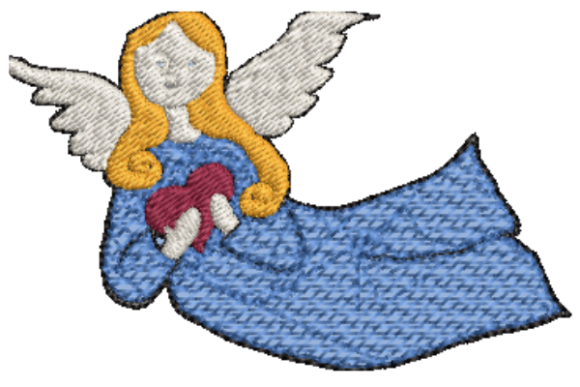
As a professional embroidery designer who has spent years refining designs for commercial use, I approach every new file with a critical eye. When evaluating Folk Art Angel Heart, I am not just looking at the aesthetic appeal; I am assessing its viability as a revenue-generating asset for small businesses, boutique brands, and creative studios. This design features a folk art angel carrying a heart, a motif that promises warmth and nostalgia. However, in the world of commercial embroidery, sentiment alone is not enough. The design must hold up under the rigors of production, maintain clarity at various scales, and reinforce brand identity without appearing cheap or overly decorative.
First Impressions: A Blend of Rustic Charm and Professional Potential
The title and description suggest a design rooted in tradition, evoking a sense of handmade product authenticity. The concept of an angel carrying a heart immediately signals themes of love, protection, and celebration. Visually, this style tends to lean towards rustic, playful, and elegant rather than modern or corporate. For a business owner, this creates a specific opportunity: Folk Art Angel Heart is ideal for brands that want to project a warm, community-focused image.
It feels like a design that belongs on a cozy café apron, a boutique tote bag, or a special edition holiday gift. It avoids the sterile look of mass-produced graphics, offering instead a textured, artistic feel that customers often associate with higher value. However, the "folk art" label implies detailed outlines and potentially intricate fill stitches. In my experience, these elements can be double-edged swords. They add character but require precise execution to avoid a muddy appearance on smaller items like cap fronts or small patches.
Real-World Application for Small Business Merchandise
Imagine a local bakery or a handmade soap shop wanting to expand their revenue streams. Folk Art Angel Heart could serve as a powerful visual anchor for their branded merchandise. Because the design carries emotional weight, it performs exceptionally well as a customer gift or a loyalty reward. Placing this design on a high-quality tote bag creates a walking advertisement that feels personal rather than promotional.
For staff uniforms, this design offers a unique alternative to standard logos. On an apron embroidery project, a chest-sized version of the angel can soften the look of a work uniform, making the staff appear more approachable and friendly. Similarly, for a florist or a pet brand, the angel motif aligns perfectly with the nurturing nature of their services. As a branded patch, it can be sewn onto denim jackets or beanies, creating a collectible item that encourages repeat purchases.
In the realm of event merch, the versatility of Folk Art Angel Heart shines. Whether for Easter, Christmas, birthdays, or religious gatherings, the design acts as a universal symbol of care. A small business hosting a workshop or a seasonal sale can use this design on custom t-shirts or hats to create a cohesive visual identity for the event. It transforms generic apparel into a memorable keepsake, increasing the perceived value of the finished product.
Versatility Across Different Product Categories
- Caps and Headwear: The curved nature of caps requires careful placement. A simplified version of the angel works best here, ensuring the heart and wings remain distinct.
- Tote Bag Design: Large canvas bags provide ample space for the full detail of the design, allowing the thread colors to pop against the fabric texture.
- Product Packaging Accents: Small embroidered labels featuring the angel can be attached to product packaging, adding a premium touch to shipping boxes.
- Sleeve Details: A subtle placement on the sleeve of a hoodie or shirt can serve as a stylish accent without overwhelming the garment.
Strategic Considerations and Limitations
While the potential is high, a professional review must address where Folk Art Angel Heart might struggle. Not every application is suitable. One of the primary concerns is stitch density. Folk art styles often rely on tight fills to create solid shapes. If the design is too dense, it can cause puckering on lightweight fabrics or make the embroidery feel stiff and uncomfortable on garments worn daily.
Another critical area is scale. Attempting to shrink this design down to a tiny size for a keychain or a small button may result in lost details. The outlines of the angel's wings and the contours of the heart could merge, creating a black blob rather than a clear image. Therefore, caution is advised when using this design for small patch sizes or items with limited surface area.
Curved surfaces, such as the front of a baseball cap, present a challenge. The design needs to be digitized specifically for the curvature to ensure the heart sits correctly and does not distort. Additionally, on dark uniforms, the contrast of the thread colors becomes paramount. If the background fabric is dark, the lighter threads of the angel may get lost unless a high-density underlay or contrasting thread palette is used.
Impact on Brand Identity and Customer Trust
Quality embroidery is a direct reflection of brand professionalism. Using a poorly executed design can erode customer trust, whereas a clean, well-placed embroidered patch elevates the entire brand. Folk Art Angel Heart, when executed correctly, communicates a message of care and attention to detail. It tells the customer that the business values craftsmanship.
This design fosters visual consistency across all touchpoints. Whether it appears on a digital mockup, a physical hat, or a social media post, the consistent use of this motif builds recognition. Customers begin to associate the angel with the brand's core values of warmth and reliability. This emotional connection drives engagement and loyalty, turning one-time buyers into lifelong advocates.
Practical Designer Notes for Production
Before committing to a large run of custom apparel, several technical steps are essential. First, always test the design in black and white first. This helps identify any spacing issues or areas where the design might become too crowded. Next, check if it works at the intended small patch size by reducing the dimensions to see if details remain crisp.
Review the thread color contrast carefully. Ensure that the chosen colors stand out against the specific fabric texture you plan to use. Inspect the spacing between elements to prevent stitching errors. Confirm the hoop size required for the design; if the design is larger than your machine's hoop, you will need to re-digitize it or split the file.
Test on real fabric before production. Digital files do not always translate perfectly to different materials. Use proper stabilizer to support the fabric and prevent distortion. Create a printable mockup for client approval to visualize the final result. Compare it beside other design assets to ensure it fits within your overall brand aesthetic. Finally, confirm commercial licensing before business use. You must have the legal right to sell products bearing this design.
If exact stitch counts, file formats, or license terms are not clearly provided in the initial product description, advise readers to contact the supplier for clarification. Do not assume compatibility with all machines or fabrics. By following these rigorous standards, Folk Art Angel Heart can transition from a simple machine embroidery design to a cornerstone of your small business merch strategy.